
Netherlands | Climate Smart Agriculture
De BosBoerderij: Growing nature and people together
Dutch agriculture is under pressure. Challenges such as soil erosion, declining biodiversity, climate change, and deteriorating water quality demand a fundamental rethink of how we produce food. At the same time, there is a growing need for social inclusion and meaningful employment, especially for people who face barriers to the labor market. De BosBoerderij addresses these urgent issues with an innovative and holistic approach.

A farm that restores landscapes
Through syntropic farming—a regenerative form of agroforestry—De BosBoerderij works to restore ecosystems and reconnect people with the land. Their mission is to develop profitable farms that demonstrate agriculture can be not only sustainable but also restorative. Over the next ten years, De BosBoerderij aims to train 80 individuals as “Forest Farmers” and transform more than 40 hectares of farmland into biodiverse, productive ecosystems.
Co-designing and learning together
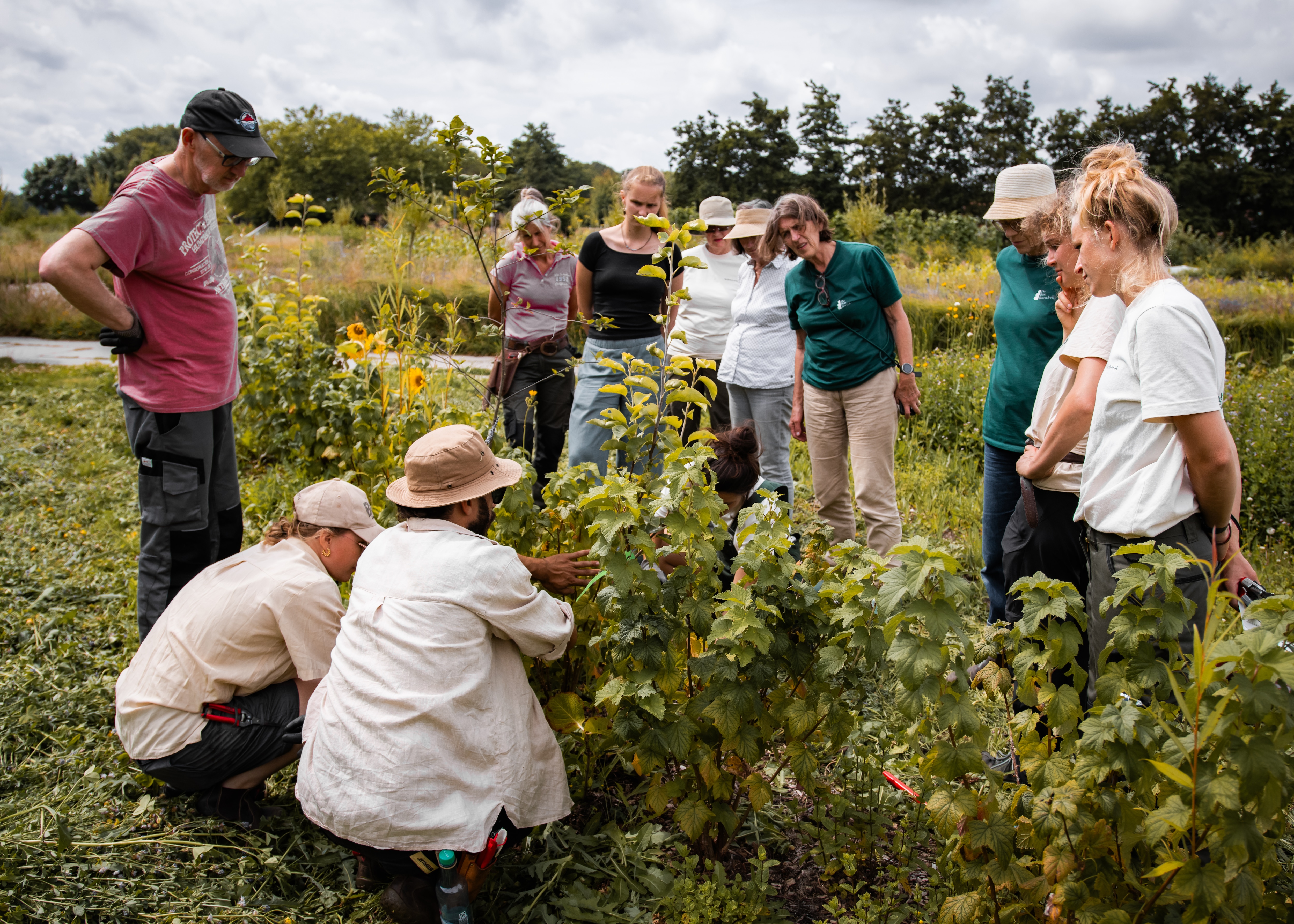
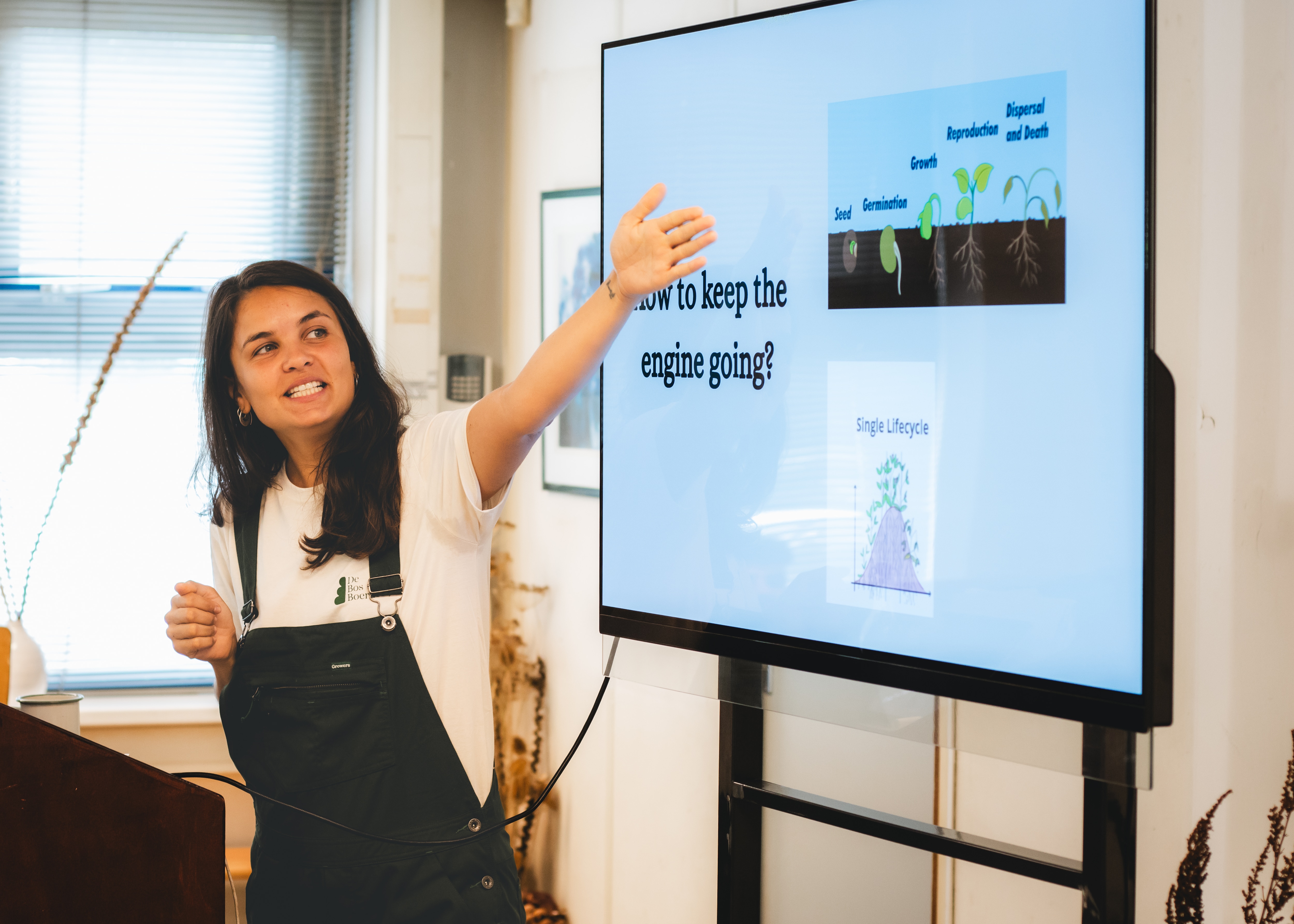
In collaboration with farmers and landowners, De BosBoerderij designs, implements, and manages syntropic plots. Local communities are actively involved through work-based learning programs, where participants gain practical skills while working on personal development In addition to food production, there is focus on on ecosystem services such as carbon sequestration, biodiversity credits, and water restoration. Demonstration sites in Hazerswoude Dorp and Wassenaar mark the beginning of a broader movement toward regenerative agriculture in the Netherlands.
Restoring water quality
Syntropic farming contributes to the restoration of water cycles and the improvement of water quality. Unlike conventional agriculture, which often leads to nitrogen runoff and surface water pollution, De BosBoerderij enriches the soil with organic matter, reduces the need for synthetic fertilizers, and enhances biodiversity. This helps stabilize both ecosystems and water systems. Monitoring soil health, water quality, and biodiversity is a core part of their approach.
What is syntropic farming?
Syntropic farming is an innovative agricultural method centered on ecosystem regeneration. Instead of depleting the soil, it works with natural processes to improve soil health and increase biodiversity. Trees, shrubs, and crops are grown together in layered systems, much like a forest, and follow each other in succession. Regular pruning and harvesting keep the system healthy and continuously enrich the soil. The result? Less need for fertilizers and pesticides, more biodiversity, improved soil quality, and a resilient food system that can withstand climate change.
The role of Rabo Foundation
Rabo Foundation supports De BosBoerderij during its early pilot phase with a donation. This funding enables the development of demonstration and educational plots, the creation of training programs for regenerative agriculture, and the strengthening of operational capacity. Together with other partners such as DOEN, and Triodos, this support helps realize a scalable model that restores both soil and water.
Discover De BosBoerderij
Curious to see how nature, farming, and social inclusion come together? Visit De BosBoerderij and learn how they are creating space for people and biodiversity to grow side by side.